
Electrical Wiring in Greenville: What You Need to Know
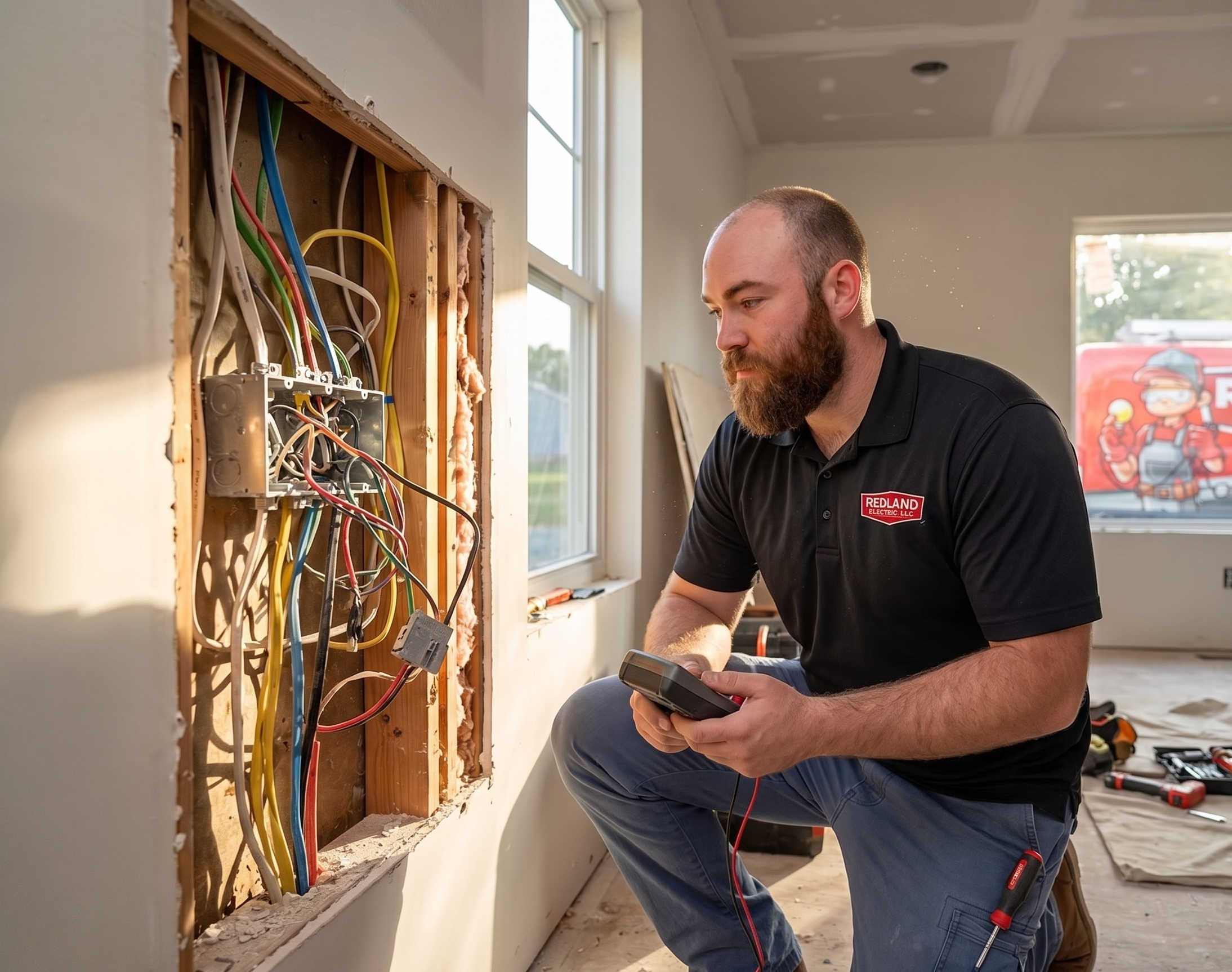
Most people never think about electrical wiring until something goes wrong. It sits behind walls, above ceilings, and under floors, quietly powering everything from the lights in your living room to the refrigerator in your kitchen. Despite how much daily life depends on it, many Greenville homeowners and businesses go years, sometimes decades, without ever having their electrical wiring inspected.
Electrical wiring is one of the most critical components of any electrical system. Every outlet, appliance, computer, security system, and piece of equipment in your home or business depends on properly installed wiring to function safely and reliably. From the moment you flip a light switch to the moment your security camera activates at night, wiring is doing the work behind the scenes.
Modern homes and businesses also place far greater demands on electrical systems than they did even a decade ago. Electric vehicle chargers, smart home devices, larger HVAC systems, and advanced appliances all require wiring capable of handling higher loads safely. This guide was built to walk Greenville property owners through everything they need to know about electrical wiring: how it works, the common types found in local homes and businesses, permitting and inspection requirements, warning signs of trouble, and when an upgrade makes sense.
Redland Electric has spent years wiring, inspecting, and repairing homes and businesses throughout Greenville, and this guide reflects what we've learned doing that work firsthand. It was written for homeowners and business owners alike, so whether you're managing a single family home or a commercial property, you'll find information here that applies directly to you. Bookmark this page and use it as a reference any time a question about electrical wiring Greenville SC properties comes up.
What Electrical Wiring Actually Does
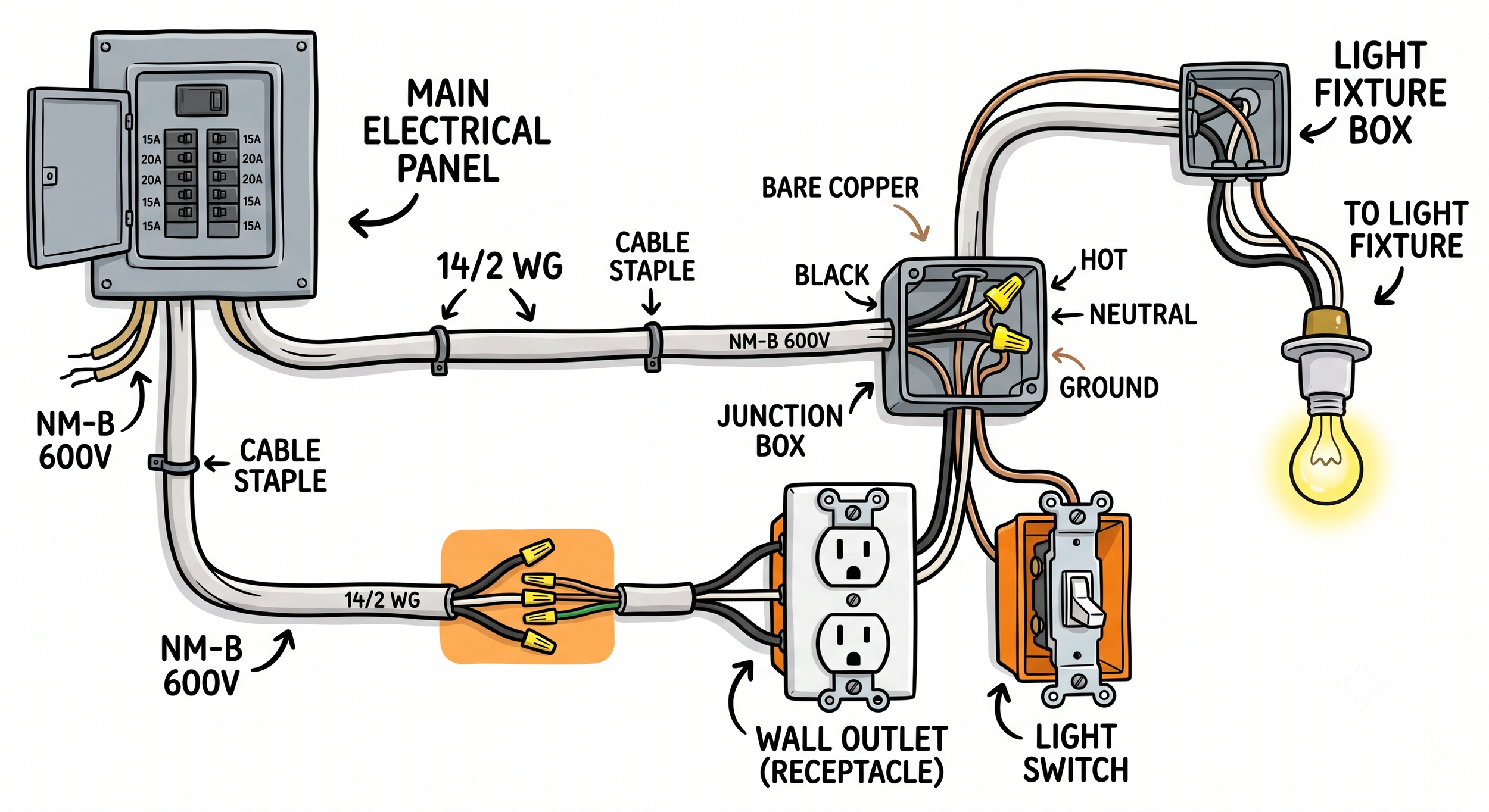
Electrical wiring is the network of conductors that carries electrical current from your utility connection to every outlet, switch, appliance, and fixture in your home or business. Think of it as the circulatory system of your building, running throughout the structure to deliver power exactly where it's needed.
Power enters your property through the main service line, passes through the electrical panel, and travels along individual circuits to reach every room. Circuit breakers monitor the flow of electricity and shut off power automatically if an overload or short circuit occurs. Grounding systems add another layer of protection, directing dangerous currents safely away from people and equipment. Together, these components create a reliable, safe path for electricity to travel through your property.
Each wire is made of a conductive metal, typically copper or aluminum, wrapped in insulation that keeps the current contained. That insulation is what prevents shocks, fires, and equipment damage. Wiring is also organized into circuits, and each circuit is protected by a breaker in the panel. If a circuit draws too much current, the breaker trips and cuts power before the wires have a chance to overheat.
This is why wiring is often described as the backbone of an electrical system. Even a brand new, top of the line electrical panel cannot operate safely if the wiring behind it is damaged, outdated, or improperly installed. A modern panel paired with old, deteriorating wiring is still a serious risk, which is one reason many Greenville homeowners eventually invest in electrical rewiring Greenville services, particularly in older homes where the original wiring was never designed for today's electrical demands.
The stakes here are real. The National Fire Protection Association reported that electrical distribution and lighting equipment caused an average of 32,620 home fires per year between 2015 and 2019, and wiring or related equipment accounted for 68 percent of those fires. Commercial properties face similar risks. The U.S. Fire Administration estimated 7,400 nonresidential building fires caused by electrical malfunctions in 2023 alone. Correctly installed, maintained, and repaired wiring reduces fire risk, prevents shocks, keeps power delivery efficient, protects appliances and electronics, and supports the demands of modern life.
Common Types of Electrical Wiring Found in Greenville Homes and Businesses
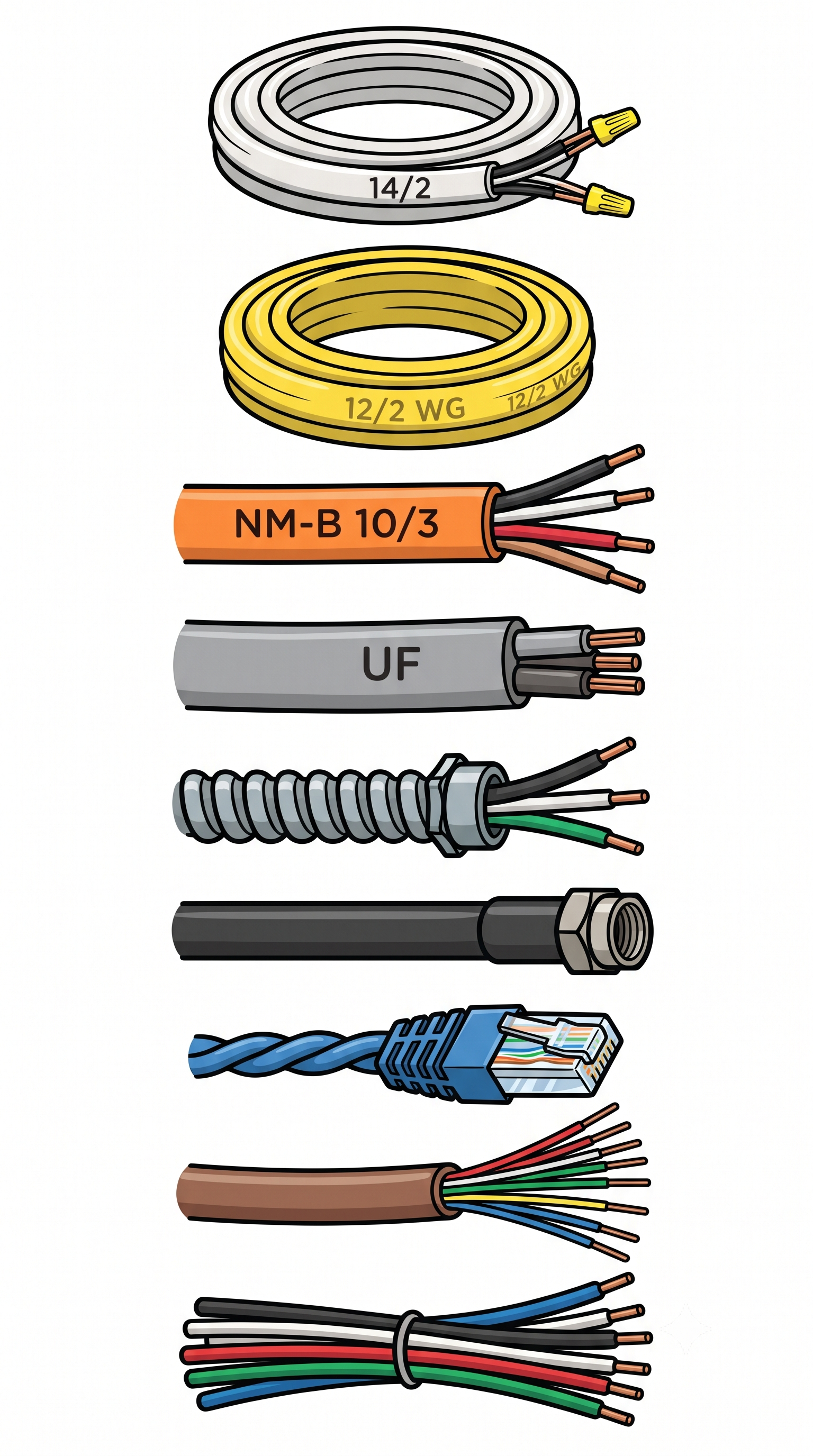
Greenville is home to a mix of historic properties, older established neighborhoods, and new construction, which means the wiring found in local homes and businesses varies widely. A house built decades ago can have completely different wiring than one built last year, and knowing which type your property has makes a real difference in how you approach repairs, upgrades, or inspections.
Knob and Tube Wiring
One of the oldest wiring types still found in some older Greenville homes, particularly those built before the 1950s. It uses ceramic knobs and tubes to route wiring through walls and framing and lacks a ground wire entirely. It was never designed to handle the electrical load of modern appliances and devices. If your property still has knob and tube wiring, replacement is strongly recommended. Its aging insulation and absence of grounding put a property at meaningfully higher risk of overheating and fire.
Aluminum Wiring
Common in Greenville homes built during the 1960s and 1970s, when aluminum was used as a cost saving alternative to copper. Aluminum expands and contracts more than copper as it heats and cools, which loosens connections at outlets, switches, and the panel over time. Those loose connections create hot spots and meaningfully raise the risk of electrical fires, which is why replacement or professional pigtailing repairs are essential for any property that still has it.
Copper Wiring with NM Cable
Also known as Romex, non metallic sheathed cable became the standard for residential wiring starting in the 1970s and remains the most widely used wiring type in Greenville today. It uses copper conductors wrapped in plastic sheathing and is generally reliable when properly installed and maintained.
Conduit Wiring
Common in Greenville commercial buildings and some newer homes, conduit wiring runs conductors through metal or plastic tubing for extra protection. Local code often requires this method for commercial construction and certain exterior applications because of its added durability.
Underground Wiring
Newer subdivisions in and around Greenville frequently use underground electrical wiring for a cleaner appearance and added protection from storms. It uses cable rated for direct burial or is run through underground conduit.
Knowing what type of wiring your property has is the first step toward understanding its electrical needs, and it plays a major role in whether repairs, targeted upgrades, or a full rewiring an old house Greenville approach makes the most sense. It's also worth noting this affects renovation budgets more often than people expect. It is common for a home remodel or commercial renovation to grow in cost once outdated wiring is discovered behind the walls, especially wiring that can no longer support current electrical demands or requires immediate repair.
Electrical Permits and Regulations in Greenville

Electrical wiring in Greenville is regulated at both the state and local level to protect the safety of property owners, tenants, employees, and the general public. Understanding how that permitting process works can help you make smarter, more informed decisions about any electrical wiring project on your property.
State and local governments require permits for electrical wiring installation Greenville projects, electrical panel upgrades, utility service upgrades, remodeling work, commercial renovations, and whole building rewiring. In practice, almost any electrical work beyond basic maintenance requires a permit in Greenville, including new wiring installations, service upgrades, panel replacements, meter relocations, generator installations, solar connections, and full or partial rewiring. If you're unsure whether your project needs a permit, scheduling a consultation with a Greenville electrician is the fastest way to get a clear answer and make sure your project is properly inspected.
Once a permit is submitted, it's reviewed by the local building department to confirm the proposed work meets code before it begins, and the finished work is inspected to confirm it was done correctly. Because wiring touches nearly every part of a building's electrical system, almost every electrical upgrade involves permitting in some form, particularly given the safety risks tied to improper installation or repair.
Electrical work throughout South Carolina, including Greenville, must comply with the National Electrical Code, also known as NFPA 70. The South Carolina Building Codes Council adopts and modifies this code for statewide use, and local jurisdictions, including the City of Greenville and Greenville County, are required to enforce it. As of 2026, South Carolina enforces the 2020 edition of the National Electrical Code with state specific modifications, and the Council has also adopted the 2023 edition as part of an updated set of statewide building codes. Because code editions and effective dates change periodically, property owners can confirm the current adopted edition through the South Carolina Building Codes Council website or by contacting their local building department directly. The code covers nearly every aspect of wiring installation, including wire sizing, circuit capacity, grounding requirements, outlet spacing, panel clearances, and safety devices like arc fault and ground fault circuit interrupters, and it exists to reduce the risk of electrical fires and shock in both residential and commercial properties.
Permitting Depends on Where Your Property Is Located
Greenville County and the City of Greenville each handle permitting separately, and which one applies to your property depends on its location. Greenville County's Building Safety Division oversees permits for properties in the county's unincorporated areas, including communities such as Berea, Taylors, Wade Hampton, Five Forks, Gantt, Parker, and the outskirts of Simpsonville. Applications, forms, and fees for these areas are available through Greenville County's official website. Properties located within city limits fall under the City of Greenville Building Permit Center, which offers an online portal for scheduling inspections and checking permit status.
Electrical Permit for Commercial Electrical Projects
Commercial electrical work in Greenville is regulated more closely than most residential projects. Businesses are often required to obtain a Certificate of Occupancy before they can legally operate, and that typically requires an electrical inspection to confirm the space is safe. If a commercial building currently has no power, a commercial electrical permit becomes part of that process. A business occupying an existing space without making changes may still need to file a Feasibility Permit, which triggers a review from the building department before operations begin. Commercial projects also tend to involve higher electrical loads, additional fire code requirements, and stricter inspection schedules, particularly for restaurants, medical facilities, warehouses, and buildings with heavy equipment. Partnering with a reliable electrical wiring contractor Greenville businesses can count on helps make sure these additional layers of compliance are handled correctly from day one.
For a closer look at commercial electrical services, from wiring and inspections to working alongside contractors on larger projects, check out our article "Powering Local Businesses: Commercial Electrical Contractor in Greenville, SC".
Permitting for Renovation Projects
For most renovation projects, the electrical contractor handling the work applies for the permit on your behalf. This is standard practice and one of the real advantages of hiring a licensed professional, since they already know the application requirements and can coordinate inspections directly with the building department. If your remodeling project involves new lighting fixtures, outlets, or switches, working with a licensed electrician who can coordinate directly with your remodeler or general contractor keeps the process moving smoothly.
An electrical contractor working within Greenville city limits typically starts by submitting an application through the city's Building Permit Applications E-Forms portal, since the city prefers online submissions over paper applications. The application includes the contractor's license number, project scope, and any required construction documents for the Building Permit Center to review. Once the permit is issued, the contractor schedules required inspections through the city's Click2Gov portal. Questions during the process can be directed to the Building Permit Center at 864-467-4505.
If you're planning a renovation, it's worth understanding the legal side of hiring an electrician too. Our article “Hiring a Home Remodeling Electrician: A Greenville Guide" breaks down South Carolina's licensing requirements, what limited electrical work homeowners are allowed to do themselves, and why an unlicensed electrician can put your insurance coverage at risk.
Can Homeowners Pull Their Own Permit?
South Carolina homeowners do have the option to pull their own permit as an owner builder for certain projects, though this comes with real limitations. Any electrical work valued over $500 legally requires a licensed contractor in South Carolina, so owner permits are generally limited to very minor work, like replacing a light bulb, plugging equipment into an existing outlet, or swapping a broken switch plate. Anything involving new wiring, outlets, switches, or fixtures requires a licensed electrician by law. Homeowners pursuing eligible owner builder work can file through the appropriate building department, either the Greenville County Building Safety Division or the City of Greenville's Building Permit Applications E-Forms portal or Building Permit Center in person. An Owner Builder Disclosure Statement is typically required and must be notarized and recorded before the permit is issued.
Before hiring any electrical contractor or electrician, confirming their license is active and in good standing is worth the few extra minutes it takes. South Carolina maintains a free public lookup tool where you can search by license number, business name, or individual name to verify credentials before signing a contract or paying a deposit. Skipping permits or hiring unlicensed help can create serious problems down the road. Unpermitted electrical work can complicate the sale of a home, void insurance claims tied to electrical damage or fire, and leave occupants exposed to real safety risks if the work was never inspected. Choosing a licensed electrical wiring contractor Greenville property owners trust, and confirming the proper permits are filed, is the safest way to protect your property and your investment.
How Often Should Electrical Wiring Be Inspected?
Regular inspections are one of the easiest ways to catch wiring problems before they become dangerous or expensive. Greenville homeowners should have their electrical wiring inspected every three years, and that timeline should shorten to every one to two years for older homes or properties with a history of electrical issues. Greenville business owners should follow a similar baseline schedule of every three years, though commercial properties often face additional inspection requirements tied to occupancy type, insurance policies, or local fire codes, so it's worth checking whether your property already has a set schedule in place.
What Happens During an Electrical Wiring Inspection?
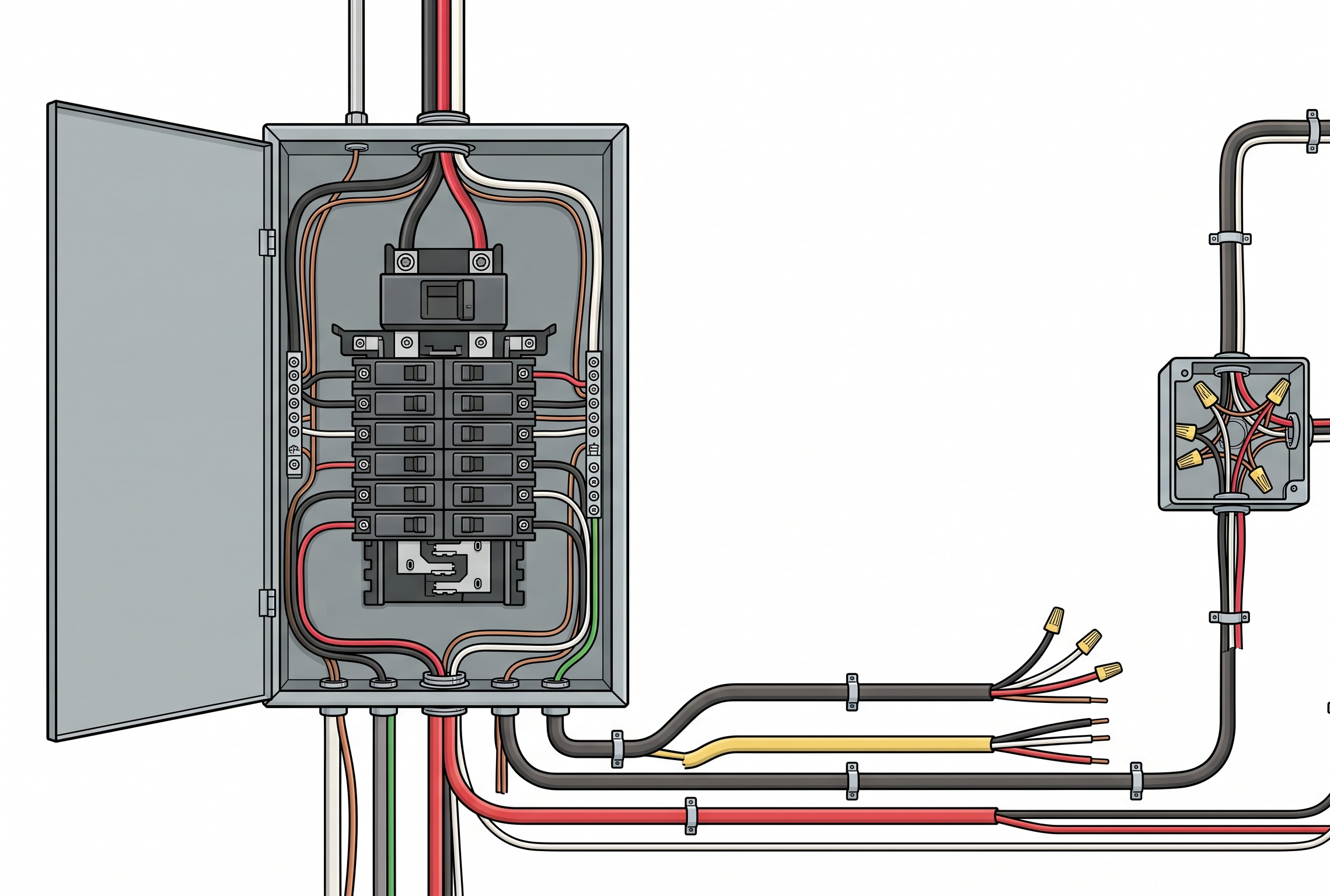
A Greenville electrician's inspection typically starts at the electrical panel, checking for proper labeling, capacity, and any signs of overheating or corrosion. From there, every outlet and switch gets tested for correct wiring and proper grounding. Accessible wiring in the attic, basement, or crawl space is visually examined for damage, outdated wiring types, or code violations, and safety devices like GFCI outlets, AFCI protection, and smoke detectors are checked as well. Outdoor wiring, fixtures, and detached structures are reviewed too, to confirm everything is properly rated and protected from moisture. The inspection wraps up with a report outlining any safety concerns and recommended repairs, ranked by urgency.
A residential electrical wiring inspection Greenville homeowners schedule typically takes one to three hours depending on the size of the property. Commercial inspections generally take longer, often three to five hours, though the exact time still depends on the size of the building and its electrical needs.
To learn more about what a full electrical safety inspection covers and why it matters for insurance and fire prevention, check out our article "Safety Electrical Inspection: Safeguarding Greenville".
Warning Signs Your Electrical Wiring Needs Attention
Electrical wiring problems rarely announce themselves clearly, but there are warning signs worth watching for whether you own a home, manage a rental property, or run a commercial building. If you notice any of the following, scheduling an inspection or repair as soon as possible is the right move.
Flickering or dimming lights. This can point to a loose connection or an overloaded circuit somewhere in the wiring.
Frequent breaker trips. A breaker that trips often is usually a sign that a circuit is overloaded or that there's a fault in the wiring.
Warm or discolored outlets and switches. Heat at an outlet or switch plate is never normal and often indicates a wiring problem behind the wall.
A burning smell with no clear source. This is one of the more serious warning signs and should be treated as urgent.
Buzzing or crackling sounds. Wiring should be silent, so any unusual sound coming from an outlet, switch, or panel needs immediate attention.
Outlets that no longer hold plugs snugly. Loose outlets can be a sign of wear and may increase the risk of arcing.
Visible fraying or damage to wires. Any exposed or damaged wiring should be repaired right away.
If your property is showing any of these signs, don't wait. Reaching out for electrical wiring repair Greenville services quickly, or electrical wiring replacement Greenville services when the damage is more extensive, can prevent a small issue from turning into a house fire or a major system failure. Most licensed and insured electricians offer inspections free of obligation, so there's no reason to put off having your property looked at.
What Homeowners and Businesses Should Consider About Electrical Wiring
For Homeowners
Homeowners in Greenville should weigh a few key factors when thinking about their wiring. The age of the home is one of the biggest. Homes built more than 40 years ago are more likely to have outdated wiring types, insufficient circuit capacity, or wiring that no longer meets current code. Household electrical demand matters too. Modern homes use far more electricity than they did decades ago, with electric vehicles, home theaters, smart home devices, and larger appliances all drawing power that older wiring may not have been designed to handle.
Long term plans for the property are worth factoring in as well. If a renovation, addition, or major appliance upgrade is on the horizon, it often makes sense to address wiring needs at the same time rather than tackling repairs piecemeal. Home rewiring Greenville projects, sometimes referred to as house rewiring Greenville work, are frequently paired with renovations for exactly this reason, since walls are already open and the work can be done more efficiently.
For Business Owners
Business owners face a different set of considerations. Commercial properties typically carry higher electrical loads because of equipment, lighting, HVAC systems, and specialized machinery, so wiring needs to be sized correctly to handle that demand safely. Downtime is another major factor. An electrical failure can shut down operations, damage equipment, or lead to lost revenue, and preventive inspections are almost always far less costly than an unexpected outage during business hours. Compliance plays a bigger role for commercial spaces too, since many businesses are required to meet specific fire and safety codes tied to their occupancy type, and wiring is often part of those requirements. Working with an experienced electrical wiring contractor Greenville businesses can rely on helps keep a property compliant while minimizing disruption to daily operations.
Benefits of Upgrading Electrical Wiring
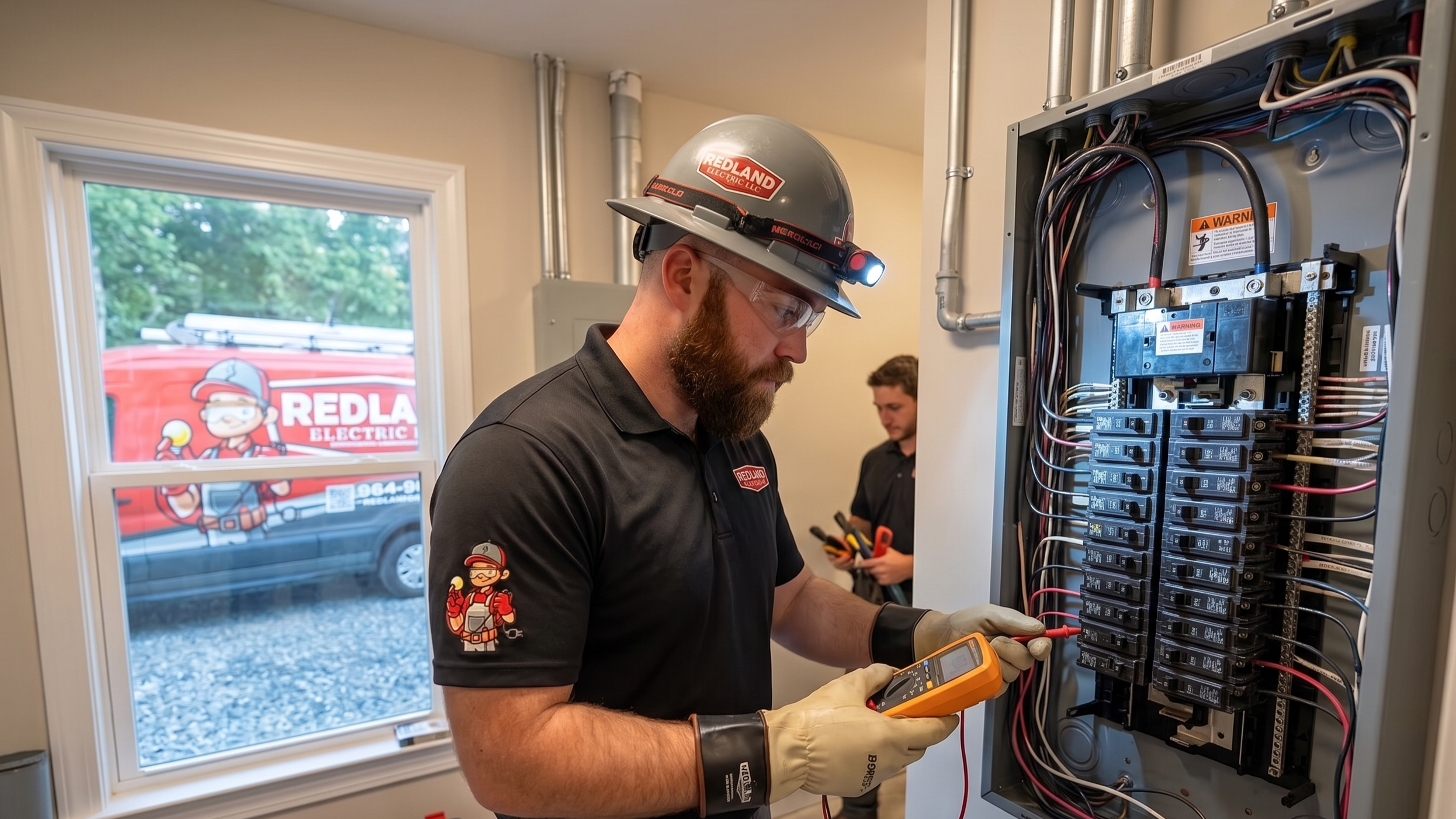
Upgrading outdated or damaged wiring offers real benefits beyond simply avoiding problems down the line. Addressing wiring issues proactively pays off in ways that go far beyond peace of mind.
Improved safety. Modern wiring reduces the risk of electrical fires, shocks, and equipment damage.
Increased capacity. Updated wiring can handle the demands of modern appliances, electronics, and equipment without overloading circuits.
Better energy efficiency. Properly sized and installed wiring reduces energy loss, which can help lower utility bills over time.
Higher property value. Updated electrical systems are a selling point for buyers and can make a property more attractive on the market.
Fewer disruptions. Reliable wiring means fewer breaker trips, flickering lights, and unexpected outages.
Insurance benefits. Some insurance providers offer better rates or coverage terms for homes and businesses with updated electrical systems.
Whole house rewiring Greenville projects represent a significant investment, but the long term safety and efficiency benefits make it one of the most worthwhile upgrades a property owner can make, whether you're selling, buying, or simply making sure your property is ready to handle new electrical loads.
How Greenville Weather Affects Electrical Wiring
Greenville's climate plays a bigger role in the health of your electrical wiring than most people realize. Heat, humidity, and seasonal storms all take a toll on wiring over time.
Humidity is a year round concern in this region. Moisture can work its way into outdoor outlets, panels, and even wiring behind walls when there are gaps in insulation or sealing, and over time that exposure leads to corrosion on wiring connections, which increases resistance and heat buildup. Summer heat adds another layer of stress, since high temperatures can cause wiring insulation to degrade faster, especially in attics where heat tends to concentrate. Wiring that runs through poorly ventilated attic space is particularly vulnerable to this kind of wear.
Storms and lightning are a real risk in the Greenville area, especially during spring and summer. Power surges caused by lightning strikes or grid fluctuations during storms can damage wiring and connected devices, and properties without surge protection are especially vulnerable to this kind of damage. Because of these regional factors, routine inspections and quality installation matter even more here than they would in a milder climate. A well installed system using materials rated for the local climate holds up far better over time than one installed without these factors in mind.
Frequently Asked Questions
-
Signs that your home may need rewiring include frequent breaker trips, flickering lights, warm outlets, a burning smell, or a home older than 40 years that has never been updated. A licensed electrician can inspect your system and confirm whether rewiring is necessary.
-
Timelines vary based on the size of the property and the scope of the work, but a full home rewiring project typically takes anywhere from a few days to two weeks. Your electrician can give you a more specific estimate after an inspection.
-
Yes. Most electrical wiring projects require a permit and inspection to ensure the work meets code, and a licensed electrician will typically handle this process for you.
-
Costs vary depending on the scope of the project, the size of the property, and the type of wiring involved. Getting a quote from a local electrical wiring contractor Greenville property owners trust is the best way to get an accurate estimate for your specific situation.
-
Electrical work involves serious safety risks and is regulated by code. In most cases, wiring work should be performed by a licensed electrician to ensure it's done safely and legally.
-
Repair addresses a specific issue, such as a damaged outlet or a faulty connection. Rewiring involves replacing larger portions or all of the wiring system, usually because of age, damage, or the need for increased capacity.
-
Look for a licensed, insured electrician with strong local reviews and experience working on homes and businesses in the Greenville area. A company familiar with local codes and regional weather conditions will be better equipped to handle your specific needs.
Greenville Electrical Wiring Services From Redland Electric
If your property needs electrical wiring repair, an upgrade, or you're planning a remodel or new build, Redland Electric is an electrical contractor in Greenville you can count on. We're a local electrical company offering electrical wiring services Greenville SC homes and businesses can depend on, including installation, repair, and upgrades, backed by a team of licensed, insured Greenville electricians.
Our electrical team has spent years serving Greenville residential and commercial properties, and every electrician on staff is professionally trained, licensed, and experienced in electrical wiring work for properties of any type and size. What sets Redland Electric apart is our commitment to a genuinely good customer experience, from the first inspection through the final walkthrough. We aim to be transparent and honest at every step, so your property can rely on us with confidence.
Redland Electric offers a diverse range of electrical wiring services including:
Electrical wiring installation
Electrical wiring repair
Electrical wiring replacement
Whole house rewiring
Partial rewiring
Commercial electrical wiring
New construction wiring
Remodeling and renovation wiring
Circuit installation and dedicated circuit installation
Outlet, switch, and lighting wiring
Panel wiring
Garage and basement wiring
EV charger wiring
Appliance wiring
Low voltage, data, and communication wiring
If you're not sure which service your property needs, our electrical wiring inspection Greenville homeowners and businesses rely on will help pinpoint exactly what's required. So if you're searching for electrical wiring near me and want a team that knows Greenville's homes, codes, and climate inside and out, Redland Electric is ready to help. We serve Greenville and the surrounding Upstate South Carolina communities, including Spartanburg, Anderson, Duncan, Greer, Simpsonville, and Reidville. If your inspection turns up the need for a panel upgrade, surge protection, or another electrical service, Redland Electric offers the full range of work needed to keep your property safely and reliably powered.
Schedule an electrical wiring inspection for your property today.